



Collection:
FOGO Bins & Food Waste Bins
Choose your option
Choose your option
Choose your option
Choose your option


Choose your option

Choose your option
Choose your option
Choose your option

Choose your option

Choose your option


Choose your option


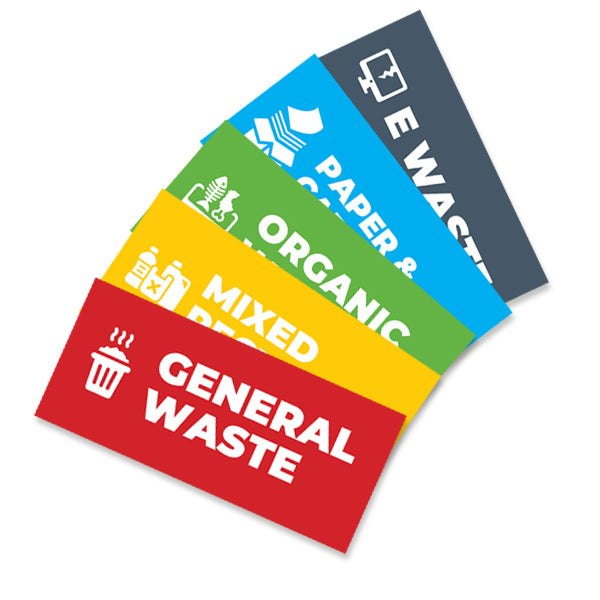
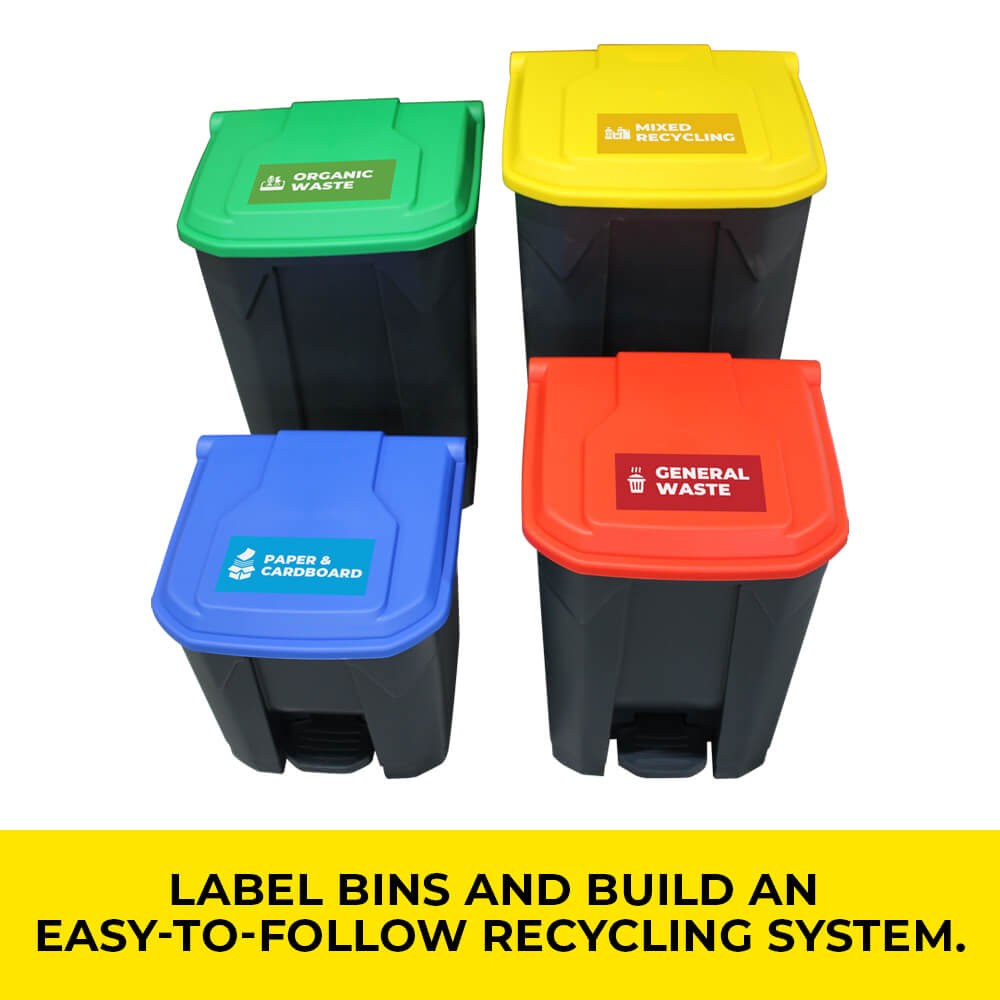
Waste Recycling Signage Set - General Waste, Recyling, Paper & Organic Waste (WRSSTICKSET3)
Choose your option
Choose your option
FOGO Bins & Food Waste Bins FAQs
What is a FOGO bin and how does it work?
What is a FOGO bin and how does it work?
In a typical setup, food waste is first collected in a small internal bin such as a kitchen caddy or pedal bin, then transferred to a larger external wheelie bin for collection. This two-step process improves hygiene, reduces contamination, and ensures waste is handled efficiently. FOGO systems are now widely used across Australia as part of broader waste reduction and sustainability initiatives.
What types of FOGO bins do I need for my business or site?
What types of FOGO bins do I need for my business or site?
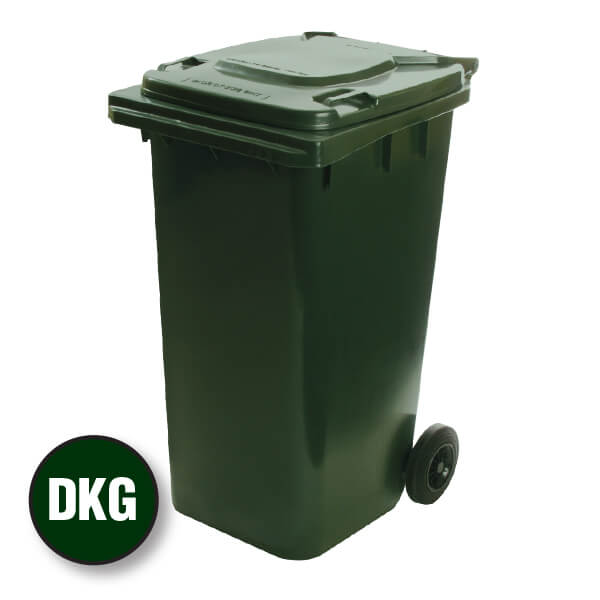
For kitchens, lunchrooms, cafés, and food preparation areas, smaller pedal bins and kitchen caddies are ideal for collecting daily food scraps and organics. Larger 80L to 240L wheelie bins are commonly used outdoors for bulk storage and council or contractor collection. Offices, schools, shopping centres, and shared facilities often benefit from multi-stream recycling stations that separate FOGO waste alongside general waste and recycling to reduce contamination and improve compliance.
Choosing the correct FOGO bins helps improve hygiene, simplify waste handling, and ensure your site aligns with Australian waste management and recycling requirements.
Are FOGO bins mandatory and what are the legal requirements?
Are FOGO bins mandatory and what are the legal requirements?
Similar FOGO programs are expanding nationally, including across Perth metropolitan councils under the Waste Authority WA three-bin system. To comply, businesses and facilities typically need to provide clearly labelled FOGO bins, separate food organics correctly, and reduce contamination through proper signage and waste systems. Failure to comply may result in contamination charges, increased collection costs, or council penalties.
Using the correct FOGO bin setup helps businesses and households stay compliant, improve hygiene, reduce landfill waste, and support Australian sustainability goals.
What size FOGO bin should I choose?
What size FOGO bin should I choose?
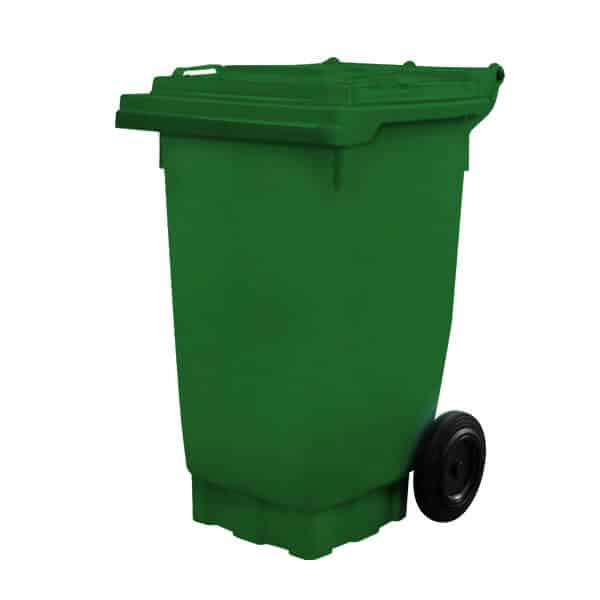
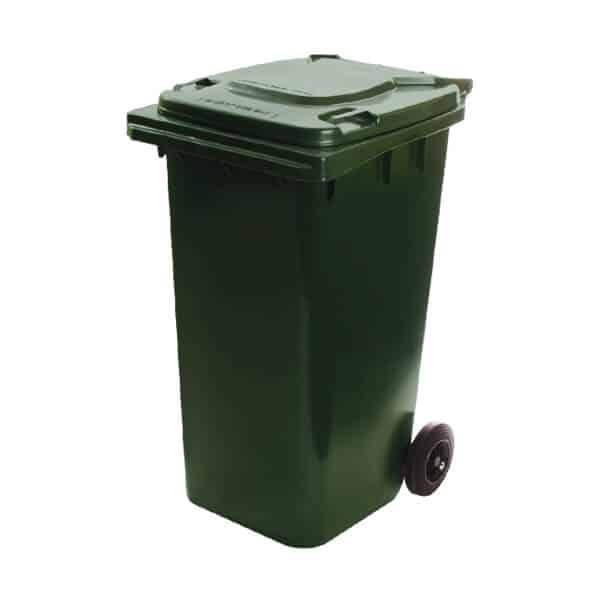
For external collection, 120L and 240L wheelie bins are standard and provide enough capacity for most households and small to medium businesses. Larger operations, such as commercial kitchens or food production facilities, may require multiple bins or higher-capacity systems to manage waste effectively.
It is important to choose a size that prevents overflow while still being practical for handling and storage. Oversized bins can lead to unnecessary space usage, while undersized bins may result in hygiene issues or increased collection frequency.
What can and can’t go in a FOGO bin?
What can and can’t go in a FOGO bin?
Items that should not be placed in a FOGO bin include plastic bags, packaging, glass, metal, liquids, and general rubbish. These materials contaminate the composting process and may result in the entire bin being rejected.
What are the benefits of using FOGO bins?
What are the benefits of using FOGO bins?
For businesses, FOGO systems can assist with meeting regulatory requirements, improving waste management practices, and supporting sustainability goals. They also help create cleaner, more organised waste handling processes, particularly in food service and high-use environments.
Implementing a proper FOGO system is not only an environmental decision but also a practical step towards compliance and operational efficiency.
FOGO Bins & Food Waste Bins
FOGO bins (Food Organics and Garden Organics) are designed to separate organic waste from general landfill, allowing food scraps and green waste to be recycled into compost. These bins are now a standard part of waste systems across Australia and are becoming mandatory for both households and businesses.
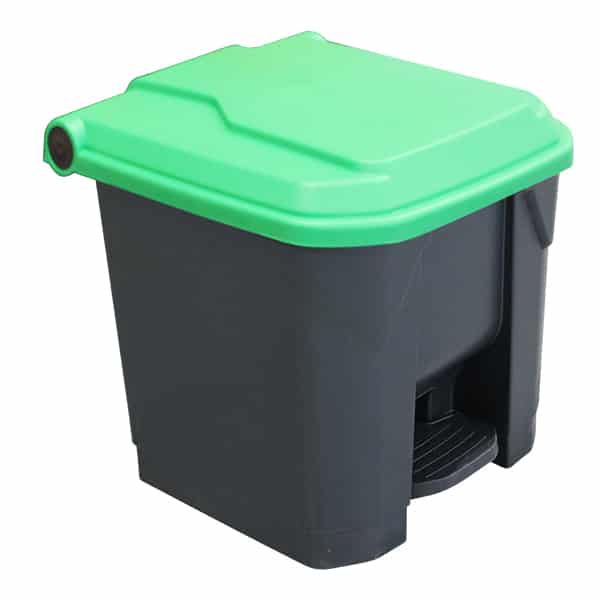
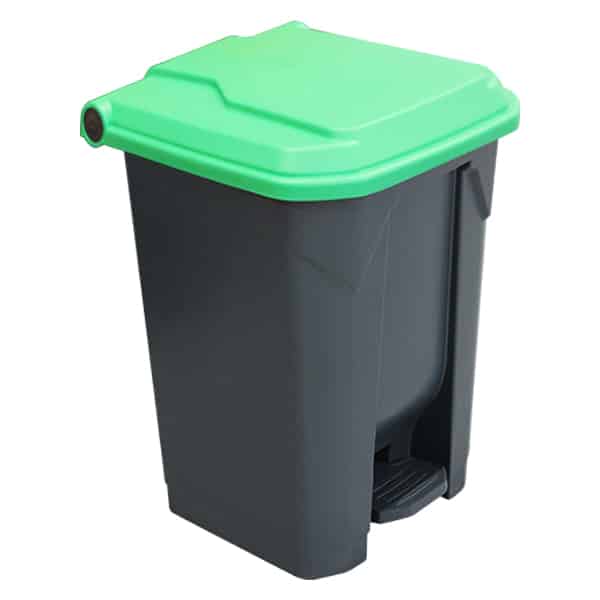
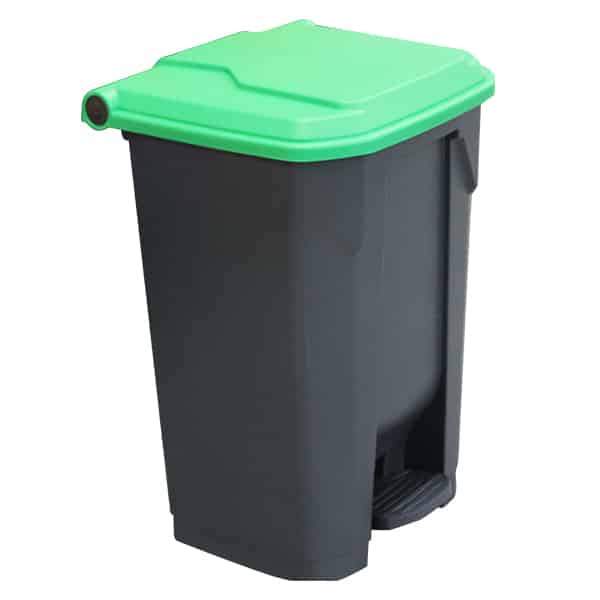
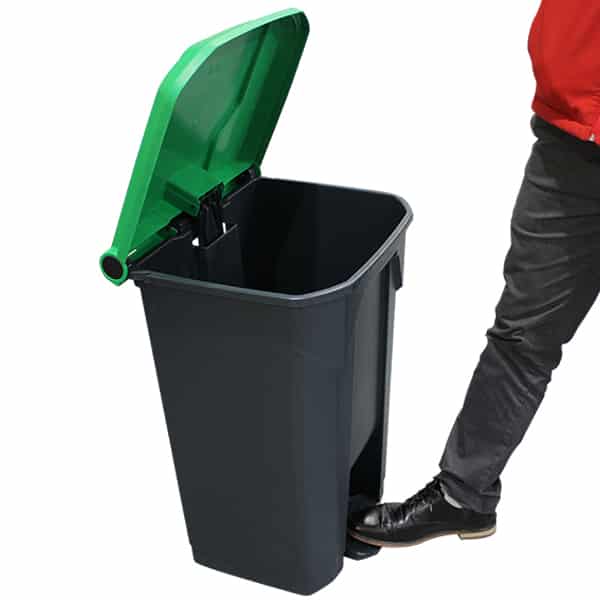
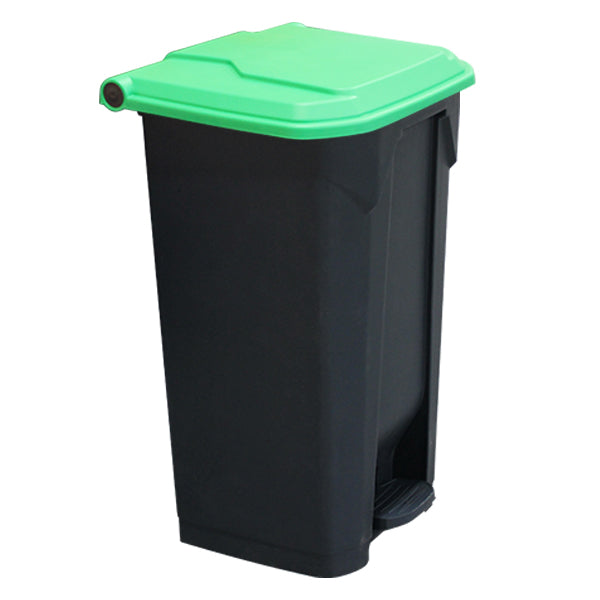
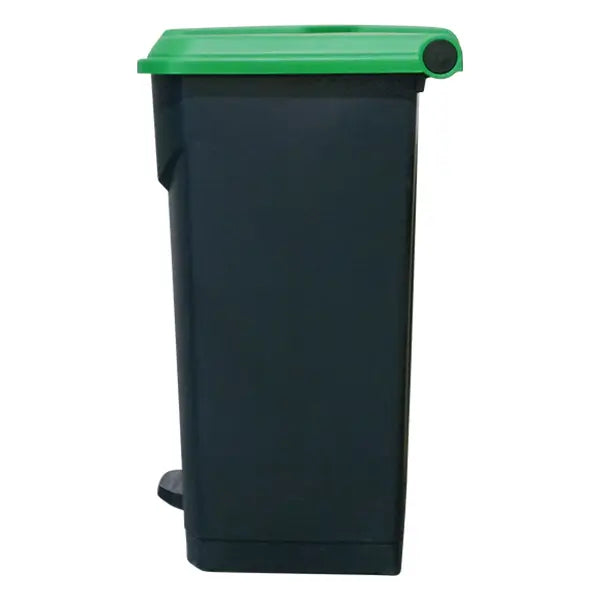
This category includes a full range of FOGO bin solutions, from compact kitchen and indoor pedal bins to large outdoor wheelie bins and commercial waste stations. Smaller pedal bins (30L–100L) are suited to kitchens, offices, and food prep areas for daily waste collection, while larger 80L–240L wheelie bins are used for bulk storage and collection. For shared spaces, recycling stations provide a clear and structured way to separate organic waste alongside general waste and recycling streams.
FOGO systems are now being implemented nationally as part of Australia’s long-term waste reduction strategy. In Western Australia, the Waste Authority WA has introduced a standardised three-bin FOGO system across the Perth metropolitan area. Under this system, households separate food and garden waste into a lime-green lidded FOGO bin collected weekly, while recycling and general waste bins are collected fortnightly. Many Perth councils now provide kitchen caddies and compostable liners to support household food waste separation. The City of Melbourne FOGO service is a clear example of how councils roll out food and garden organics collection.
A typical setup includes a small internal bin (such as a pedal bin or caddy) for collecting food waste, which is then transferred to a larger external wheelie bin for collection. This reduces contamination, improves cleanliness, and supports consistent waste separation practices.
FOGO bins are suitable for collecting a wide range of organic materials, including:
- Fruit and vegetable scraps
- Meat, seafood, and bones
- Dairy products and eggshells
- Coffee grounds and tea bags
- Grass clippings and garden pruning's
Items such as plastic bags, soft plastics, glass, metals, nappies, treated timber, and hazardous waste should not be placed in FOGO bins, as contamination can affect compost processing and council compliance requirements.
When selecting FOGO bins, it’s important to align with Australian waste colour coding and signage standards to improve user compliance and reduce contamination. Matching indoor and outdoor waste streams with clearly labelled recycling stations creates a cleaner and more effective waste management system for offices, commercial buildings, hospitality venues, schools, and public spaces.
For additional guidance, see:
- How to Set Up a Waste Recycling Station in Your Office (The Right Way)
- What Do the Recycling Bin Colours Mean? Australia's Office Bin Colour Code Explained
Choosing the right FOGO bins ensures your site is compliant, easy to maintain, and aligned with Australian waste standards.

Why Shop with AdMerch

Your Hospitality Superstore
Largest selection of products at the lowest prices

Australia-Wide Shipping
Fast and reliable delivery direct to your home or business

Easy Returns
Hassle free return policy with responsive customer service

100% Australian Owned
Family owned and operated since 1984


