


If you are setting up a commercial kitchen for the first time, the prep station is one of the most important decisions you will make. It is the area where most of your kitchen's work actually happens, and when it is set up well, everything else runs more smoothly.
This guide answers the questions food business owners, chefs, and catering operators ask most often: what equipment you need at a prep station, how it should be laid out, what commercial kitchen requirements apply in Australia, and what common mistakes to avoid.
Whether you are fitting out a brand new kitchen or improving an existing one, a well-planned prep area will help you work faster, maintain food safety, and reduce waste. For core fit-out items, browse AdMerch's range of stainless steel benches, food storage containers, food-grade plastics, and benches, shelving and sinks.

What Is a Commercial Kitchen Prep Station?
A prep station is a dedicated section of a commercial kitchen where ingredients are cleaned, cut, portioned, marinated, and made ready for cooking. It is separate from the cooking line and designed specifically for food preparation work.
A properly set-up commercial kitchen prep station includes:
- a stainless steel prep bench with enough depth and length for the work being done
- a refrigeration unit, either under-counter or beside the bench, to keep prepped ingredients cold
- colour-coded cutting boards for separating different food types
- a set of knives and small tools dedicated to that station
- food-grade containers with lids for storing prepped mise en place
- access to a handwash basin and sanitation supplies
- labelling equipment for dating and identifying every container
The goal is to keep prep fast, safe, and consistent across every service.
What Is Commercial Food Preparation?
Commercial food preparation refers to the process of preparing food at a professional scale within a licensed food business. It covers everything from washing and cutting vegetables to portioning proteins, preparing sauces, and assembling dishes ahead of service.
This is why your commercial kitchen setup matters so much. The surfaces you use, the way ingredients are stored, and the workflow around your station all affect food safety, labour efficiency, and compliance.
Commercial Kitchen Fit Out: What You Need to Know Before You Start
Before buying a single piece of equipment, there are a few things every Australian food business owner should understand about a commercial kitchen fit out.
You need council approval. A commercial kitchen must be approved by your local council before you can trade. This includes your floor plan, equipment layout, drainage, sanitation facilities, and ventilation plan.
Your surfaces matter. Prep benches, cutting boards, and storage containers must be smooth, non-porous, non-corrosive, and easy to clean. This is why stainless steel and food-grade plastics are standard in professional kitchens.
Handwashing facilities are mandatory. You need a dedicated handwash basin near the prep zone, with soap and drying facilities immediately available.
Temperature control must be built into the layout. Ingredients used during service need to stay cold and accessible, which is why a prep station is usually paired with under-bench or nearby refrigeration.
For bench-level work areas, AdMerch's stainless steel benches are a strong starting point. If your layout also needs surrounding fit-out equipment, see benches, shelving and sinks.
Step-by-Step: How to Set Up Your Prep Station
Step 1: Plan Your Kitchen Zones First
The most important step happens before anything is purchased. A well-designed commercial kitchen layout moves food in one logical direction: from receiving and cold storage, through the prep zone, to the cooking line, to the pass, and then to wash-up.
Your prep zone should sit between cold storage and the cooking line. This reduces unnecessary movement and helps maintain clear separation between raw preparation and cooking.
If you handle multiple food types such as raw proteins, seafood, vegetables, and ready-to-eat foods, plan separate sections or colour-coded work zones within your prep area. Cross-contamination prevention should be built into the layout, not left to memory during a busy shift.
Step 2: Set Up the Right Prep Bench
The standard for commercial kitchen prep benches is Grade 304 stainless steel. It is durable, non-porous, corrosion-resistant, and easy to sanitise. It is also the material most commercial kitchens rely on for food-contact work surfaces.
What to look for in a prep bench:
- bench height between 850mm and 900mm for standing work
- minimum depth of 600mm, ideally 750mm to 900mm
- an upstand or splashback against wall-mounted positions
- under-shelf storage for containers and small equipment
- rounded corners and minimal seams to reduce bacteria harbourage points
If you are choosing a bench for a smaller prep zone, the Stainless Steel 304 Bench 1200L x 600W x 900H is a practical option. If your station needs an integrated sink for nearby washing functions, the Stainless Steel 304 Bench with Left Sink and Ladder Base is also worth considering.
Step 3: Install Cold Storage at the Station
A prep fridge positioned at or under your prep bench helps keep ingredients cold while still within reach during service. This reduces the amount of time food sits at ambient temperature and improves workflow at the station.
When planning your station, leave enough room beside or below the bench for commercial refrigeration and keep your highest-use ingredients closest to the prep area. The goal is to reduce unnecessary steps while maintaining temperature control.
Step 4: Build a Food-Grade Container System
The container system at your prep station is what holds your entire mise en place together. Without a proper system, prepped food gets lost, labelling becomes inconsistent, and your fridge turns into an organisational mess.
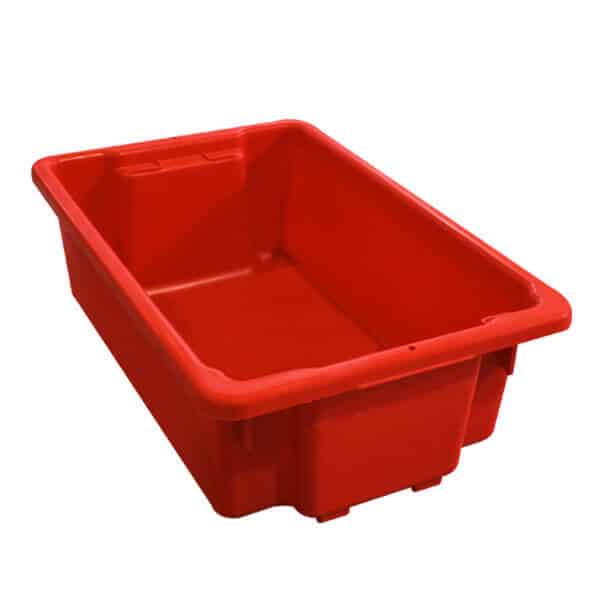
Use food-grade containers with matching lids across a range of sizes:
- 500ml to 1L for sauces, dressings, and garnishes
- 1L to 3L for portioned proteins and prepped vegetables
- 3L to 5L for bulk-prepped items and batch sauces
- 10L and above for overnight prep and large-volume storage
For everyday commercial use, browse AdMerch's food storage containers and food-grade plastics. For a complete setup, the complete clear polycarbonate food storage container kit and the complete white polypropylene food storage container kit are strong options for standardising your prep system.
If you need a specific small-format container for portioning ingredients, the 3.8L clear polycarbonate food storage container is a useful example of a durable food-safe container suited to prep and cold storage.

Every container should be labelled with the content name, date and time of preparation, use-by date, and allergen information where relevant. A labelled, standardised container system improves both food safety and service speed.
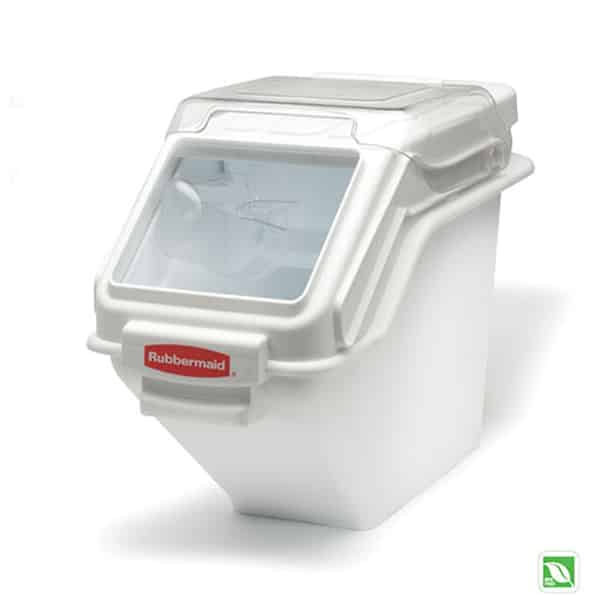
For bulk dry ingredients and production-style prep areas, AdMerch's food ingredient bins are also relevant. If your workflow relies on mobile ingredient access, the 7 bin stainless steel mobile ingredient rack with food grade tubs is a strong fit.
Step 5: Set Up Handwashing and Sanitation
You need a dedicated handwash basin within easy reach of your prep station. This basin should only be used for handwashing and should always have liquid soap and paper towels or a dryer available. It should never double as a prep sink or equipment rinse sink.
At the bench, keep a labelled bottle of food-safe sanitiser and a supply of clean cloths or food-safe wipes. Surfaces should be sanitised between tasks, especially when moving between raw proteins and ready-to-eat ingredients.
Step 6: Organise Your Food Preparation Equipment
Having the right food preparation equipment list at the station and keeping it organised is what separates a functional prep area from a frustrating one.
A practical food preparation equipment list for a prep station includes:
- chef's knife, paring knife, bread knife, and filleting knife
- colour-coded cutting boards
- bench scraper
- stainless steel mixing bowls
- digital scales
- portion scoops and ladles
- peelers, zesters, and graters
- tongs and spatulas
- cling film, foil, and portion bags
Store knives securely, keep small tools in a designated drawer or tray, and avoid leaving loose equipment on the bench during service.
Step 7: Establish Your Mise en Place Workflow
Mise en place is the discipline of having everything prepared and in place before service begins. A practical workflow improves speed, reduces stress, and keeps your prep area clean and consistent.
- check the day's menu and forecast covers
- pull ingredients from cold storage and check dates and condition
- prep each ingredient: wash, peel, cut, portion, or marinate
- place each item into a labelled food-grade container immediately
- store in the prep fridge until needed
- arrange ingredients within arm's reach before service starts
- restock from refrigeration during service as required
- clean, sanitise, relabel, and reset at the end of service
How to Prevent Cross-Contamination at Your Prep Station
Cross-contamination is one of the biggest food safety risks in any commercial kitchen. It happens when bacteria or allergens transfer from one food to another through surfaces, tools, containers, or hands.
To reduce the risk:
- use separate cutting boards and utensils for different food types
- store raw proteins in sealed containers below ready-to-eat food
- wash hands before moving between tasks
- sanitise surfaces and boards between prep jobs
- label allergen-containing containers clearly
- do not reuse tongs or spatulas between raw and cooked foods without cleaning them first
If your raw protein prep area and salad prep area are directly beside each other with no separation, cross-contamination is only ever one distracted moment away. Your layout should support safe behaviour, not undermine it.

Common Mistakes When Setting Up a Commercial Kitchen Prep Station
Not planning zones before purchasing equipment. Buying equipment before you have a floor plan often leads to poor placement and wasted spend.
Using non-food-grade containers. Household tubs and recycled buckets are not suitable for commercial use. Use purpose-built food storage containers and food-grade plastics instead.
No labelling system. Unlabelled ingredients create compliance risk and slow down service.
Overlooking bench height. A poor working height causes fatigue and strain during long prep shifts.
Not getting council approval before fit-out. Retrofitting after inspection is almost always more expensive than planning properly the first time.
Frequently Asked Questions
What do I need to set up a commercial kitchen in Australia?
You need a council-approved premises with a compliant prep bench, dedicated handwashing facilities, cold storage, food-grade containers, colour-coded cutting boards, sanitation supplies, and documented food safety procedures. In practical terms, that means starting with durable food-contact surfaces such as stainless steel benches, then building out your station with food storage containers and clearly organised prep tools. The exact requirements vary by council, but the core expectations around hygiene, temperature control, and cleanable surfaces are consistent across commercial kitchens.
What is the difference between a prep kitchen and a commercial kitchen?
A prep kitchen is typically a commercial kitchen used mainly for food preparation rather than full cooking and service. Many catering businesses, central production kitchens, and delivery-focused operators use prep kitchens. The setup still needs the same fundamentals: safe surfaces, cold storage, handwashing access, and an organised ingredient system. In both cases, the prep station remains one of the most important working zones because it affects speed, consistency, and food safety every day.
How much does a commercial kitchen fit-out cost in Australia?
The cost depends on the size of the site, the type of food business, services required, and the amount of equipment being installed. Even in smaller kitchens, spend rises quickly once benches, sinks, refrigeration, extraction, plumbing, and electrical work are included. One of the best ways to avoid rework is to choose practical fit-out elements from the start, such as correctly sized stainless steel benches and standardised food-grade plastic containers that suit long-term commercial use.
What food preparation equipment do I need for a commercial kitchen?
A solid prep station needs a food-safe bench, cutting boards, knives, scales, mixing bowls, utensils, and a reliable storage system for ingredients. The storage system matters more than many operators expect. Matching lids, clear labelling, and containers sized for your menu make prep easier to manage and reduce waste. AdMerch's clear polycarbonate container kit and white polypropylene container kit are good examples of how to standardise a station properly.
What are the best food storage containers for a commercial kitchen in Australia?
The best containers are food-grade, durable, easy to clean, and available in a range of sizes with matching lids. Clear polycarbonate containers help with visibility and stock identification, while polypropylene options are widely used for general prep and storage. For many kitchens, the right answer is not one container but a full system. That is why categories such as food storage containers, food-grade plastics, and food ingredient bins are so useful when planning a complete prep area.
Wrapping Up
A well-set-up commercial kitchen prep station does not happen by accident. It takes deliberate planning, the right equipment, compliant containers, and a workflow your team can follow consistently under pressure.
Start with your zone layout, invest in a quality prep bench, build a standardised food-grade container system, and make sure sanitation and labelling are embedded from day one.
To stock your station properly, browse AdMerch's food storage containers, food-grade plastics, stainless steel benches, food ingredient bins, and bakery and kitchen equipment.